Hogar Noticias Filtrado: Superficie de especificaciones de Nvidia RTX 5090

Filtrado: Superficie de especificaciones de Nvidia RTX 5090

Autor : Aaron Actualizar : Jan 07,2025

Nvidia GeForce RTX 5090: memoria GDDR7 de 32 GB y consumo de energía de 575 W: presentación en CES 2025

Las filtraciones sugieren que la próxima GeForce RTX 5090 de Nvidia tendrá un gran impacto. Se rumorea que esta tarjeta gráfica de alta gama cuenta con una enorme memoria de video GDDR7 de 32 GB, el doble que las anticipadas RTX 5080 y 5070 Ti. Sin embargo, este rendimiento tiene un costo: un consumo sustancial de energía de 575 W. La presentación oficial de la serie RTX 50, incluido el RTX 5090, está programada para el discurso de apertura de Nvidia en CES 2025 el 6 de enero.

La serie RTX 50, con nombre en código Blackwell, representa la arquitectura de tarjetas gráficas de próxima generación de Nvidia, y se lanzó más de dos años después de la serie RTX 40. Basándose en su predecesora, la serie RTX 50 aprovechará Tensor Cores para procesamiento de IA, ampliación de DLSS, trazado de rayos y compatibilidad con PCIe 5.0 (en placas base compatibles). Esta nueva línea reemplazará a la serie RTX 40 (algunos modelos de los cuales, como RTX 4090D y RTX 4070, ya han sido descontinuados) y competirá directamente con la serie Radeon RX 9000 de AMD y las GPU Battlemage de Intel.

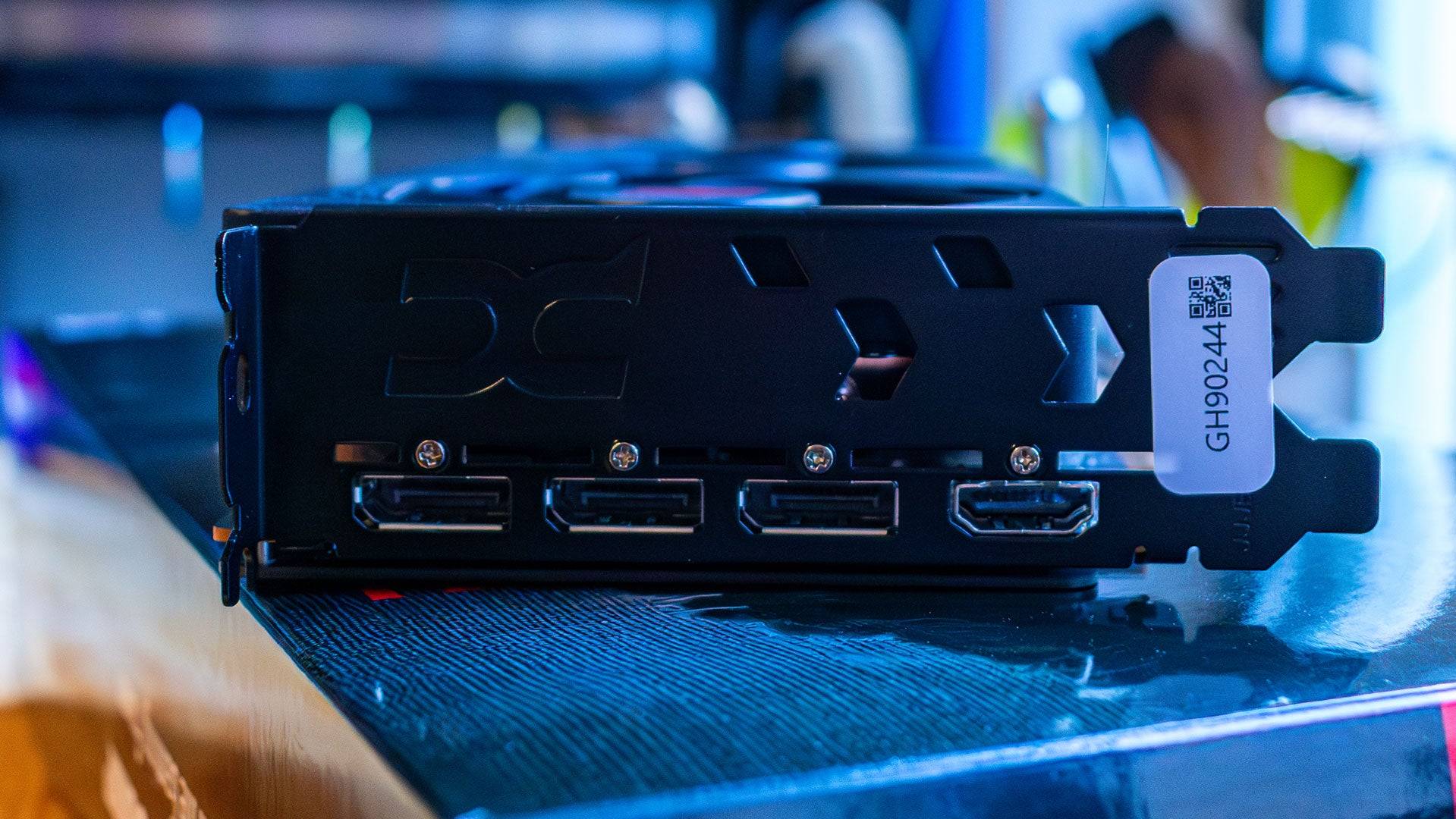
Las filtraciones previas a CES de Inno3D, un socio de Nvidia AIB, revelaron más detalles sobre el RTX 5090. Su iChill X3 RTX 5090, una tarjeta de triple ventilador que ocupa más de tres ranuras de expansión, confirma la memoria GDDR7 de 32 GB y la importante potencia de 575 W. requisito: un salto considerable con respecto a los 450 W del RTX 4090.

La Nvidia RTX 5090: ¿alta memoria, alta potencia, alto precio?

Las características clave del RTX 5090, según lo revelado por Inno3D, incluyen:

  • Memoria GDDR7 de 32 GB:El doble de la capacidad de memoria prevista para RTX 5080 y 5070 Ti.
  • Consumo de energía de 575 W: Requiere una fuente de alimentación de alta capacidad.
  • Revelación del 6 de enero:Anuncio oficial en CES 2025.

La serie RTX 50 utilizará un conector de alimentación de 16 pines, aunque se proporcionarán adaptadores. Si bien las especificaciones son impresionantes, se espera un precio alto, potencialmente a partir de $1999 o más. Nvidia aún tiene que confirmar oficialmente el precio.

Las tarjetas restantes de la serie RTX 50 (RTX 5080 y RTX 5070 Ti) se revelarán junto con la RTX 5090 durante la conferencia magistral de Nvidia en CES. La llegada de esta nueva generación será sin duda un acontecimiento importante para los entusiastas y jugadores de PC.
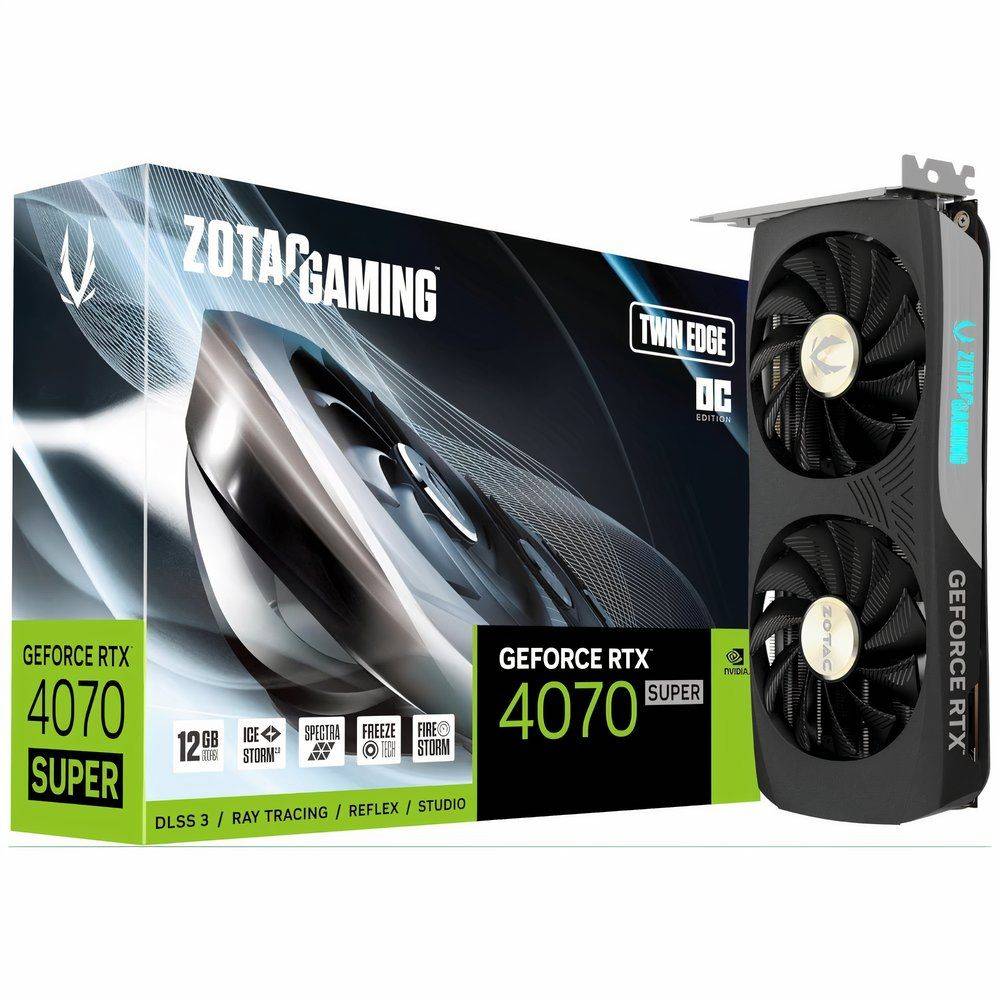
  • $610 $630 Ahorre $20 $610 en Amazon$610 en Newegg$610 en Best Buy
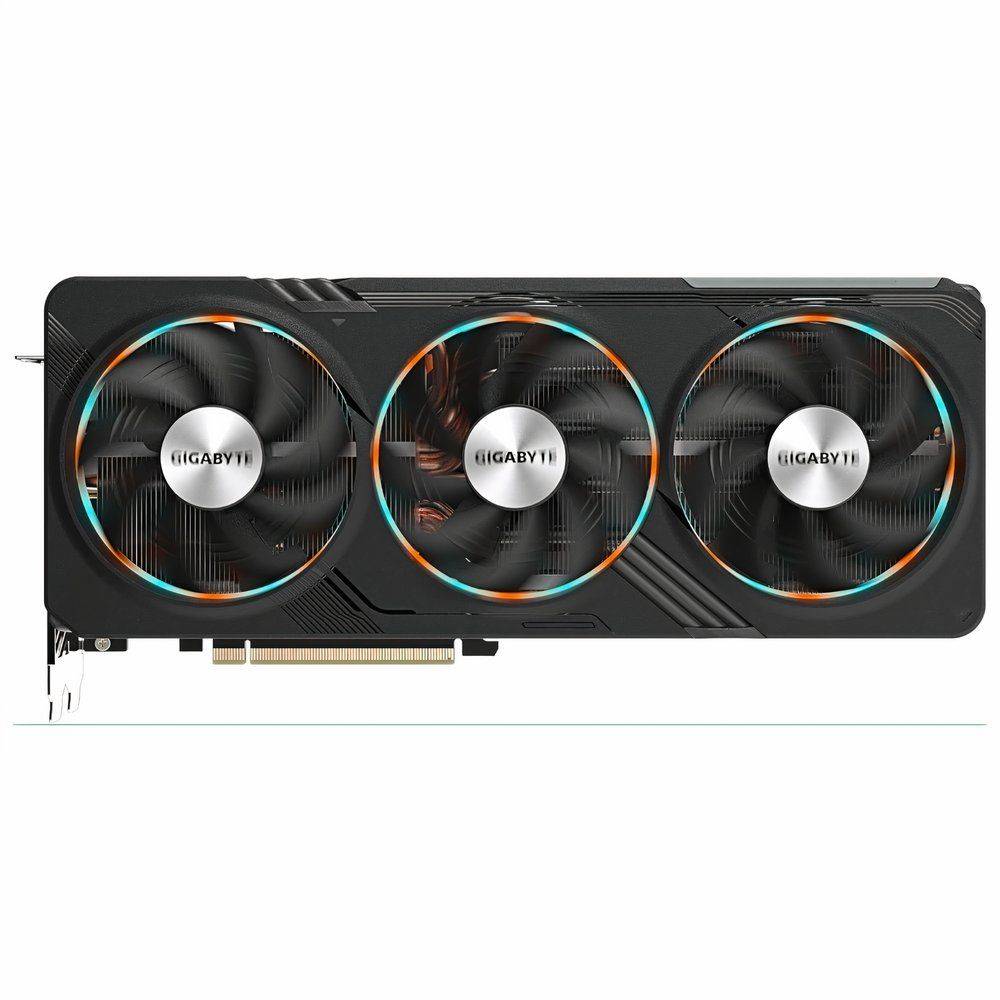
  • $790 $850 Ahorre $60 $790 en Amazon$825 en Newegg$825 en Best Buy
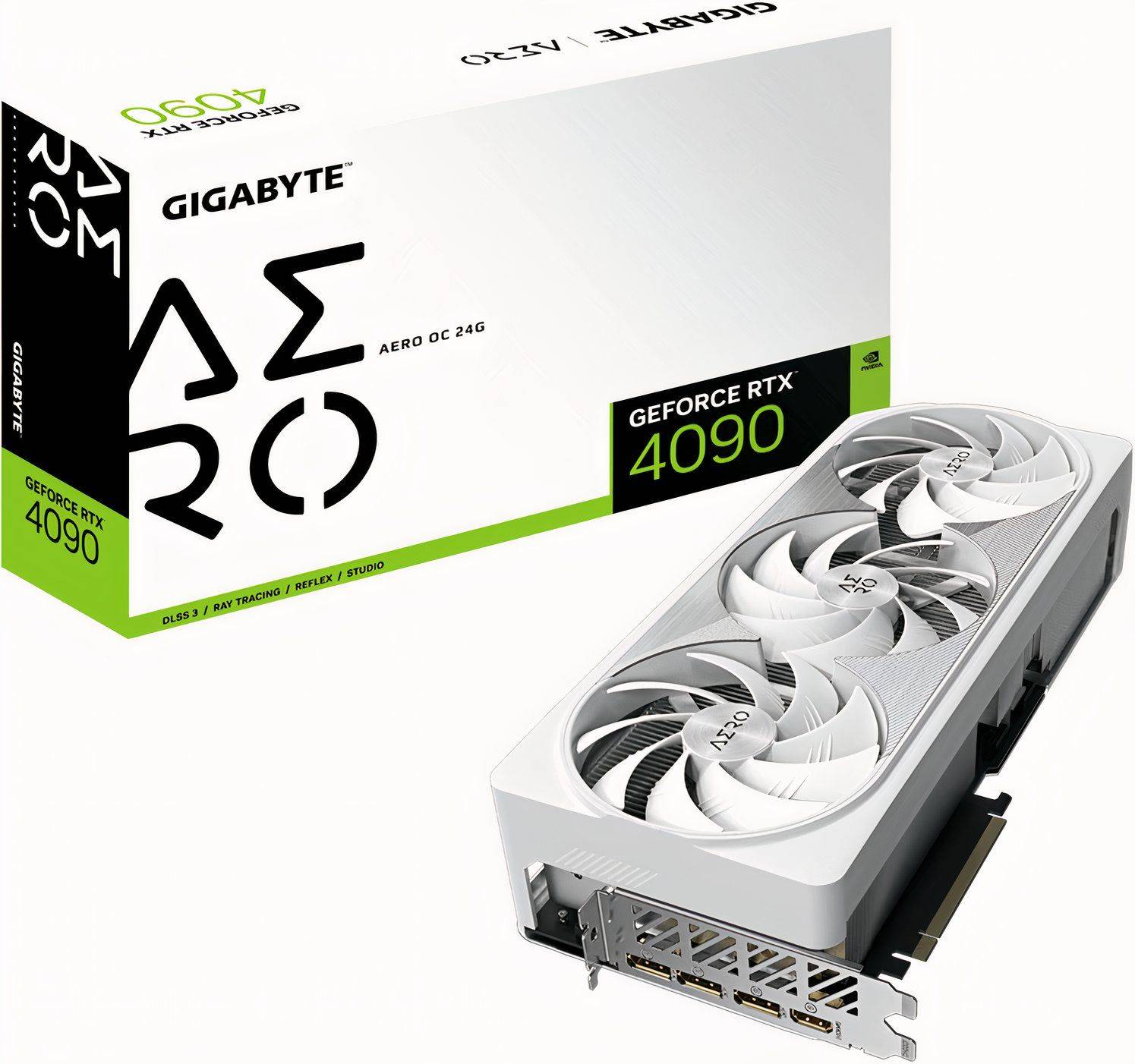
  • $1850 en Amazon$1880 en Newegg$1850 en Best Buy

Últimos artículos

Más
You're absolutely right—when a new game is released in the sci-fi RPG space, especially one set in a dystopian, neon-soaked future, comparisons to Cyberpunk 2077 are almost inevitable. And while it's natural for players and critics to draw parallels, it's important to recognize that even if two games share thematic or aesthetic similarities, they can diverge significantly in design, narrative depth, gameplay mechanics, and overall vision. Here are some key differences that developers and players should consider when comparing a new cyberpunk-style game to Cyberpunk 2077: 1. Development Philosophy and Scope Cyberpunk 2077 launched under intense pressure and with technical issues that marred the initial experience. It was a massive, long-gestating project from CD Projekt Red, aiming for a fully realized open world with deep systemic gameplay. The new game, depending on its studio and release cycle, may be built with a more focused, agile approach—possibly avoiding the pitfalls of overambition by prioritizing polish and player experience from the start. 2. Narrative Focus vs. Open-World Exploration Cyberpunk 2077 emphasized player choice and branching narratives, but suffered from inconsistencies in how those choices impacted the world. The new game might take a different route—offering a more tightly woven, character-driven story with fewer distractions, or a more modular structure that rewards player agency in a more meaningful way. 3. Gameplay Mechanics and Player Agency Cyberpunk 2077 was criticized for its combat systems, driving, and AI behavior—especially in the early versions. The new title may innovate by emphasizing different gameplay pillars: stealth, social engineering, hacking as a core mechanic, or even non-combat solutions to problems. Some studios are exploring "no combat" or "anti-violence" mechanics to differentiate from the traditional RPG formula. 4. World Design and Tone While both games may feature grim, rain-drenched cities and corporate overreach, the new game might lean into a more unique cultural or philosophical theme—such as digital afterlife, AI consciousness, or post-capitalist societies—offering a distinct vision beyond the "corporate dystopia" trope. 5. Technical Execution and Post-Launch Support Cyberpunk 2077’s troubled launch led to a long, painful recovery with patches and expansions (like Phantom Liberty), which ultimately improved the game significantly. The new game might learn from that experience by prioritizing a stable, well-tested launch, or by adopting a more community-driven development model, releasing updates based on player feedback from day one. 6. Cultural and Philosophical Context Cyberpunk 2077 drew heavily from William Gibson’s cyberpunk canon and late-20th-century anxieties about technology and identity. The new game might reflect contemporary concerns—climate collapse, digital surveillance, transhumanism, or global inequality—offering a more grounded or updated interpretation of what "cyberpunk" means in 2024. Final Thought: Yes, people will compare any new sci-fi RPG to Cyberpunk 2077—it's a defining moment in modern gaming. But the fact that a game is compared to Cyberpunk 2077 doesn’t mean it’s derivative. Instead, it’s a chance to show how far the genre has evolved—and how developers are using that legacy to build something new, smarter, and more intentional. The best new cyberpunk games won’t just ask, “Can it beat Cyberpunk 2077?” They’ll ask, “What kind of future do we want to explore—and why does it matter?” That’s where true innovation lies. Lectura