Heim Nachricht Durchgesickert: Nvidia RTX 5090 Specs Surface

Durchgesickert: Nvidia RTX 5090 Specs Surface

Autor : Aaron Aktualisieren : Jan 07,2025

Nvidia GeForce RTX 5090: 32 GB GDDR7-Speicher und 575 W Stromverbrauch – eine CES 2025-Enthüllung

Lecks deuten darauf hin, dass Nvidias kommende GeForce RTX 5090 eine gewaltige Leistung bringen wird. Gerüchten zufolge verfügt diese High-End-Grafikkarte über gewaltige 32 GB GDDR7-Videospeicher – doppelt so viel wie die erwarteten RTX 5080 und 5070 Ti. Allerdings hat diese Leistung ihren Preis: eine beträchtliche Leistungsaufnahme von 575 W. Die offizielle Enthüllung der RTX 50-Serie, einschließlich der RTX 5090, ist für Nvidias CES 2025-Keynote am 6. Januar geplant.

Die RTX 50-Serie mit dem Codenamen Blackwell stellt Nvidias Grafikkartenarchitektur der nächsten Generation dar und kommt über zwei Jahre nach der RTX 40-Serie auf den Markt. Aufbauend auf ihrem Vorgänger wird die RTX 50-Serie Tensorkerne für KI-Verarbeitung, DLSS-Upscaling, Raytracing und PCIe 5.0-Unterstützung (auf kompatiblen Motherboards) nutzen. Diese neue Produktreihe wird die RTX 40-Serie ersetzen (von der einige Modelle, wie die RTX 4090D und die RTX 4070, bereits eingestellt wurden) und direkt mit der Radeon RX 9000-Serie von AMD und den Battlemage-GPUs von Intel konkurrieren.

Pre-CES-Lecks von Inno3D, einem Nvidia AIB-Partner, enthüllten weitere Details über die RTX 5090. Ihre iChill X3 RTX 5090, eine Karte mit drei Lüftern, die über drei Erweiterungssteckplätze belegt, bestätigt den 32 GB GDDR7-Speicher und die beachtliche Leistung von 575 W Anforderung – ein erheblicher Sprung gegenüber den 450 W der RTX 4090.

Die Nvidia RTX 5090: Hoher Speicher, hohe Leistung, hoher Preis?

Zu den wichtigsten Merkmalen des RTX 5090, wie von Inno3D enthüllt, gehören:

  • 32 GB GDDR7-Speicher: Doppelt so viel Speicherkapazität wie für die RTX 5080 und 5070 Ti erwartet.
  • 575 W Leistungsaufnahme:Erfordert ein Netzteil mit hoher Kapazität.
  • Enthüllung am 6. Januar:Offizielle Ankündigung auf der CES 2025.

Die RTX 50-Serie verfügt über einen 16-poligen Stromanschluss, es werden jedoch Adapter mitgeliefert. Obwohl die technischen Daten beeindruckend sind, wird mit einem hohen Preis gerechnet, der möglicherweise bei 1.999 US-Dollar oder mehr beginnt. Nvidia hat die Preise noch nicht offiziell bestätigt.

Die verbleibenden Karten der RTX 50-Serie (RTX 5080 und RTX 5070 Ti) werden zusammen mit der RTX 5090 während der CES-Keynote von Nvidia vorgestellt. Die Ankunft dieser neuen Generation wird zweifellos ein bedeutendes Ereignis für PC-Spieler und -Enthusiasten sein.
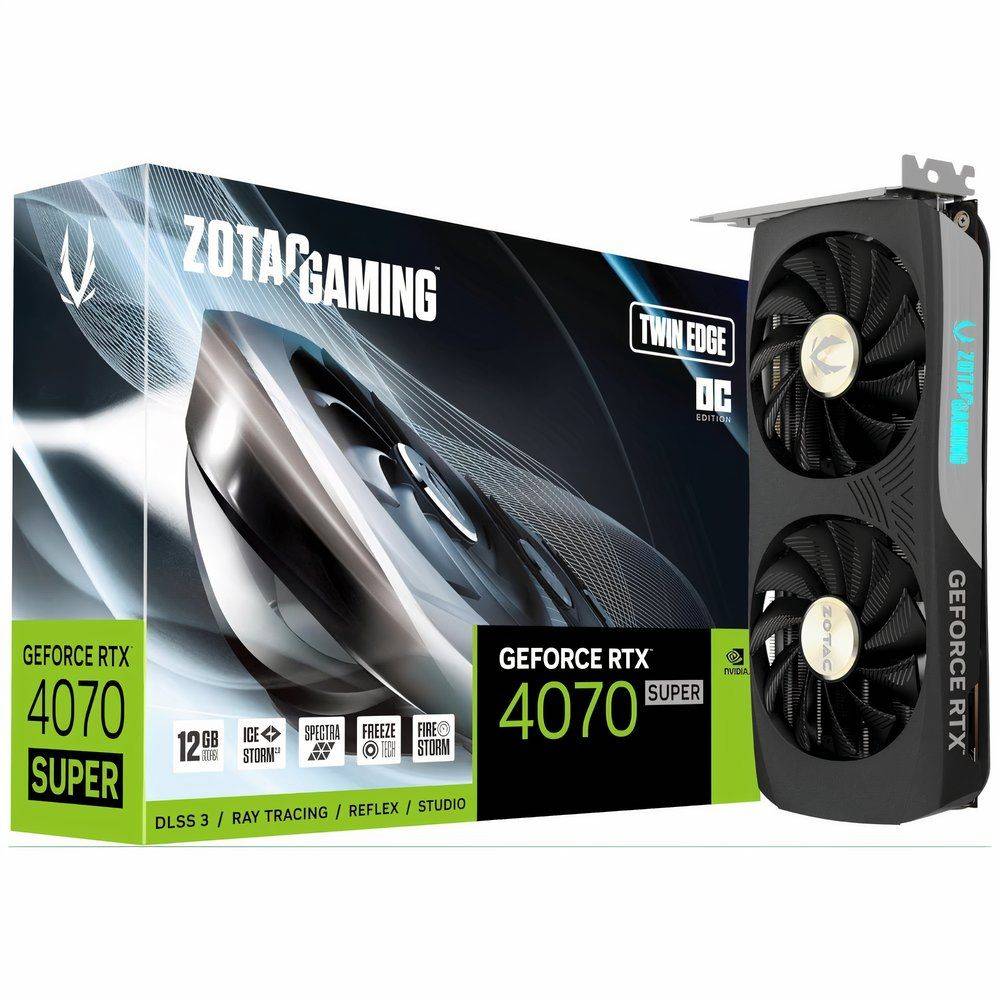
  • 610 $ 630 $ Sparen Sie 20 $ 610 $ bei Amazon 610 $ bei Newegg 610 $ bei Best Buy
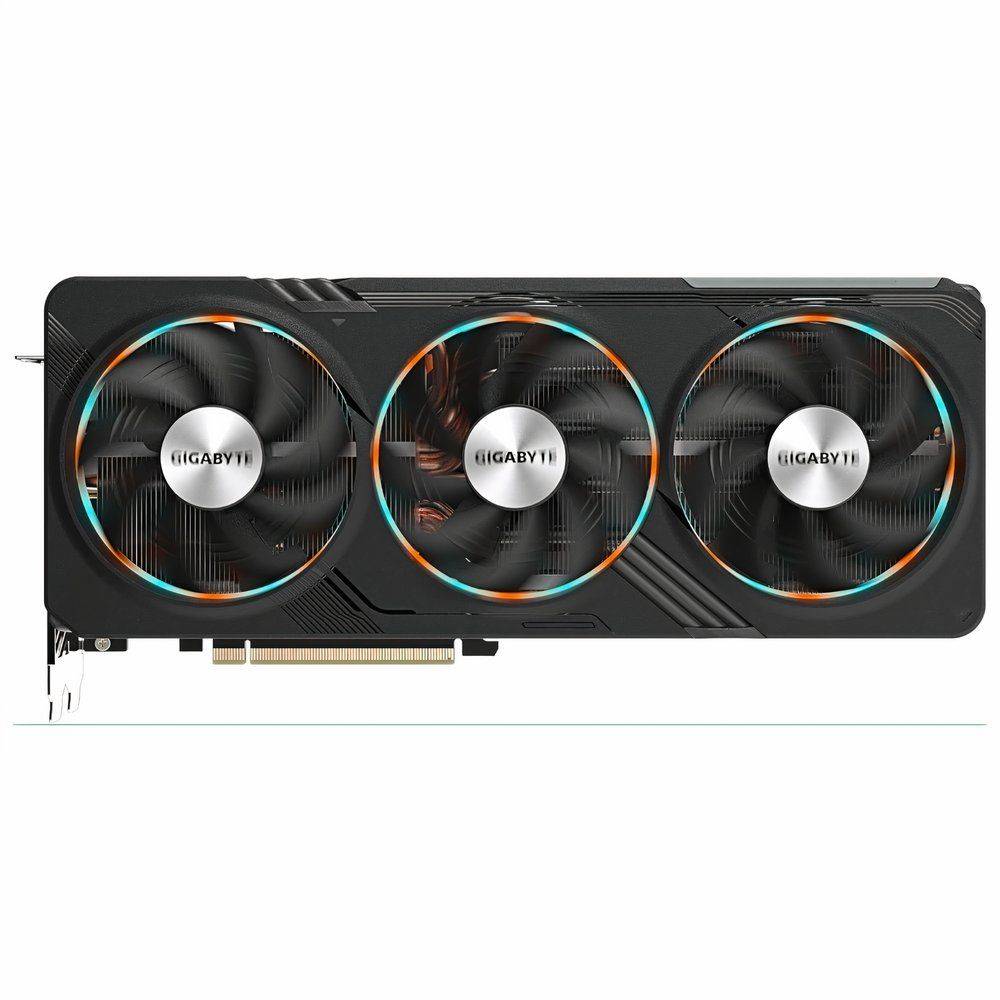
  • 790 $ 850 $ Sparen Sie 60 $ 790 $ bei Amazon 825 $ bei Newegg 825 $ bei Best Buy
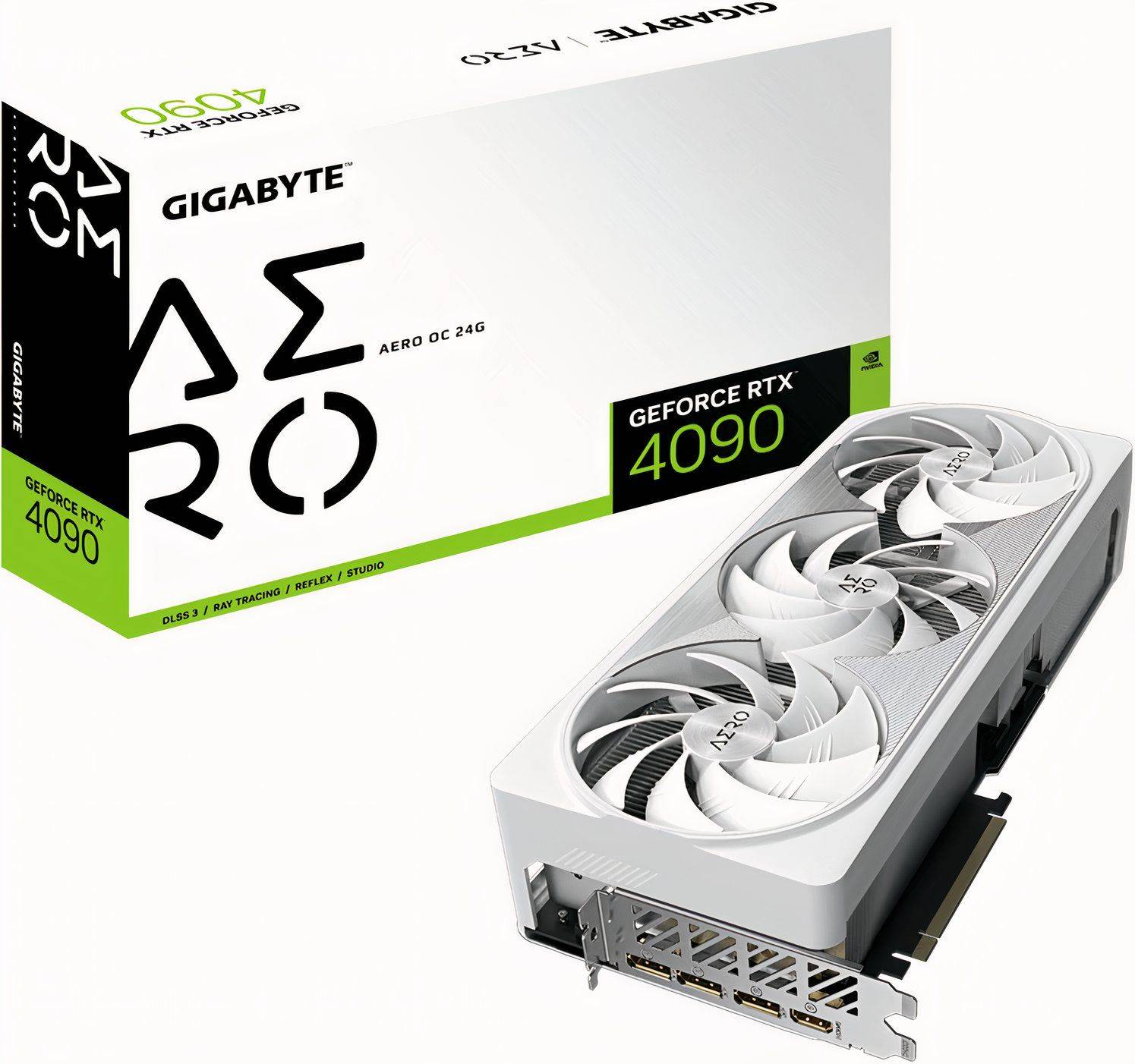
  • 1850 $ bei Amazon 1880 $ bei Newegg 1850 $ bei Best Buy

Neueste Artikel

Mehr
You're absolutely right—when a new game emerges in the sci-fi RPG space, especially one with a cyberpunk aesthetic and ambitious scope, comparisons to Cyberpunk 2077 are almost inevitable. After all, CD Projekt Red’s 2020 release set a high (and, at times, controversial) bar for the genre. But while it’s natural for fans and critics to draw parallels, it’s important to recognize that every developer brings a unique vision, design philosophy, and execution to the table. Here’s where the key differences often lie: 1. Development Philosophy and Scope Cyberpunk 2077 aimed for a massive, open-world experience with deep narrative and systemic gameplay. Its initial launch was marred by bugs, performance issues, and unmet expectations—though post-launch updates have significantly improved it. Newer cyberpunk-adjacent games (like Neon White, The Outer Worlds 2, or upcoming titles from studios like Obsidian or in-house projects from developers such as Undead Labs or Arx Fatalis-inspired indie teams) often focus on tighter design, narrative precision, and player agency, rather than sheer scale. They may not promise a full open world, but they deliver a more polished, intentional experience. 2. Narrative Focus vs. Systems Depth Cyberpunk 2077 emphasized a sprawling narrative with branching paths and immersive world-building, but struggled at times with consistency and character depth. Newer projects are often more character-driven, thematically focused, or genre-redefining. For example, a game might explore cyberpunk themes through a lens of personal identity, memory manipulation, or digital consciousness—not just neon-drenched cities and corporate dystopias. 3. Technical Approach and Player Experience Cyberpunk 2077 was built on a custom engine (REDengine 4) that faced scalability challenges, especially on older hardware. Many newer games use established engines (like Unreal Engine 5 or Unity) with better optimization, modular design, and built-in tools for visual fidelity and performance. This allows developers to deliver on promises more reliably—a lesson learned from 2077’s early missteps. 4. Genre Evolution, Not Imitation While Cyberpunk 2077 defined a generation of cyberpunk games, today’s developers aren’t trying to replicate it—they’re reinterpreting it. Some are blending cyberpunk with other genres (e.g., cyberpunk + mystery in Returnal, cyberpunk + survival horror in Lies of P, or cyberpunk + rhythm action in Neon White). These innovations show that the genre is evolving beyond just "cyberpunk as spectacle" into meaningful storytelling, emergent gameplay, and exploration of ethics in technology. 5. Developer Transparency and Community Engagement CD Projekt Red’s handling of Cyberpunk 2077’s launch and its aftermath sparked intense discussion about developer responsibility, crunch, and player trust. Newer studios are often more transparent about development timelines, early access testing, and community feedback. Games like Project: Snowblind or Remnant 2 (from Gunfire Games) demonstrate a player-first mindset, which fosters more sustainable and respectful relationships. Final Thought: Yes, every new cyberpunk game will be compared to Cyberpunk 2077—but that comparison shouldn’t define it. The most exciting developments in the genre aren’t about how much they resemble it, but about what they do differently. Whether it’s a tighter narrative, better performance, innovative mechanics, or a fresh thematic angle, today’s cyberpunk games are not merely echoes of 2077—they’re bold steps forward in a genre still full of untold stories. So while the shadow of Cyberpunk 2077 looms, it’s not a burden—it’s a challenge to be better, smarter, and more authentic. And that’s where real progress happens. Lektüre