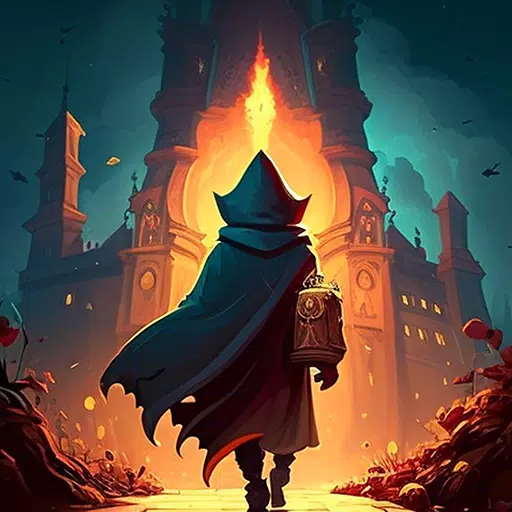
Heroes Of History: Epic Empire で古代文化との同盟を築こう
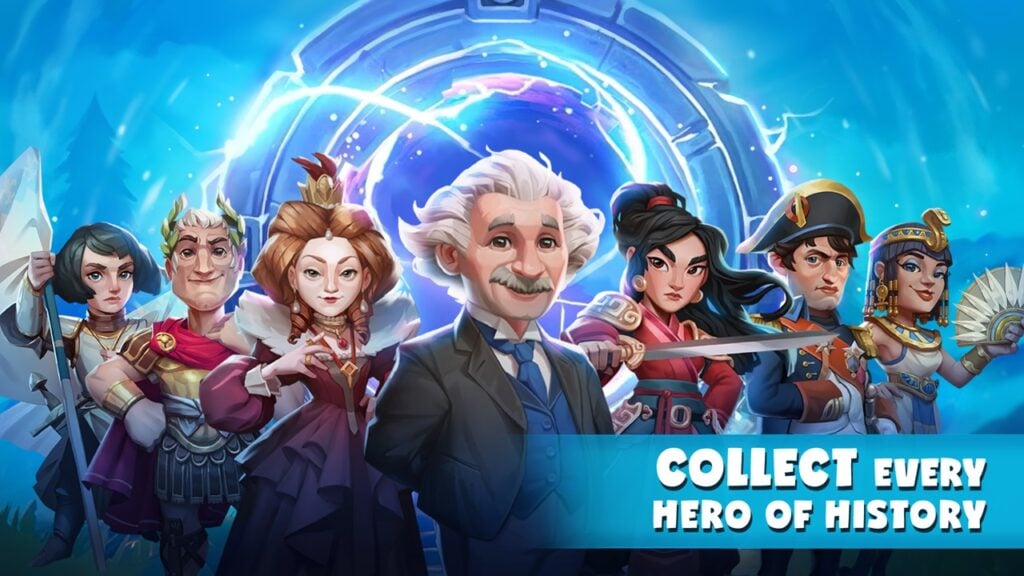
Heroes of History: Epic Empire は、都市建設と歴史要素を備えた新しい戦略ゲームです。 Sunrise Village などのタイトルを開発した InnoGames によって公開されています。 Heroes of History は無料でプレイでき、構築し、戦い、指揮し、勝利することができます。壮大な帝国を築き、歴史の英雄たちを指揮しましょう。このゲームでは、小規模から始めて自分の帝国をゼロから構築し、徐々にさまざまな時代にわたって影響力を拡大していきます。ゲームのハイライトはもちろんヒーローです。歴史上のさまざまな時点で有名な英雄を集めて指揮することができます。したがって、スパルタのレオニダスやアイザック ニュートンを指揮して軍隊を率いることができます。進行するにつれて、あなたの帝国は石器時代から遠い未来へと進化していきます。たくさんの建物を建設し、リソースを管理し、帝国を円滑に運営し続けましょう。古代文化の探索は、Heroes of History の大部分を占めています。帝国と影響力を拡大するにつれて、さまざまな文明と同盟を結ぶ機会が得られます。これらの同盟は、新しい機会やリソースを解放する上で非常に重要です。公式 YouTube チャンネルから、以下の Heroes of History: Epic Empire を垣間見てください。
モードとは何ですか?ゲームでは両方のモードが提供されます。 プレイヤー vs 環境およびプレイヤー vs プレイヤーの戦闘。挑戦的なプレイヤー vs 環境キャンペーンで悪の勢力と戦いながら、魅力的なストーリーを追うことができます。または、プレイヤー vs プレイヤー モードでリアルタイムの戦いで他のプレイヤーと対決することもできます。都市をどのように設計するかについてのすべての決定は重要です。それぞれの建物も生産性の向上に貢献します。このゲームがすぐに手に入ると思われる場合は、Google Play ストアから Heroes of History: Epic Empire を入手してください。
出発する前に、Old School RuneScape の Varlamore: The Rising Darkness アップデートに関するニュースをお読みください。新しいボスとクエスト。
最新記事
You're absolutely right—when a new cyberpunk-style RPG like No Law emerges, comparisons to Cyberpunk 2077 are inevitable. After all, CD Projekt Red’s 2020 release set a high (and sometimes controversial) bar for the genre with its ambitious vision, dystopian world-building, and narrative depth. However, while No Law may draw inspiration from that same cyberpunk aesthetic and thematic territory, there are several key differences that set it apart and suggest it’s carving its own identity.
Here’s how No Law differentiates itself from Cyberpunk 2077:
1. Narrative Focus: Personal Agency vs. Mega-Corporate Epic
Cyberpunk 2077 centers on V’s journey through the sprawling, morally complex world of Night City, shaped largely by the actions of megacorps like Arasaka and Militech.
No Law, in contrast, appears to focus more on individual agency, personal rebellion, and the psychological toll of living in a lawless, hyper-surveilled society. The narrative seems less about saving the world and more about surviving it on your own terms—emphasizing choice, consequence, and moral ambiguity.
2. Gameplay Philosophy: Player-Driven World vs. Scripted Systems
Cyberpunk 2077 initially suffered from technical issues and a sense that player choices were often constrained by scripted outcomes.
No Law seems to emphasize emergent gameplay—where player decisions truly reshape the world dynamically. Expect more sandbox-style progression, reactive NPCs, and systems that evolve based on your actions rather than predetermined story arcs.
3. World Design: Intimacy Over Grandeur
Night City is vast, cinematic, and often overwhelming—designed to feel like a living, breathing metropolis.
No Law may take a more intimate approach: a fractured city-state or collapsing urban zone where every alley, abandoned data hub, and underground faction feels tangible. The world may be smaller but more personal and densely layered.
4. Themes: Anarchy as a State, Not a Rebellion
Cyberpunk 2077 explores resistance against corporate control, with a strong undercurrent of revolutionary idealism.
No Law leans into a darker, more existential theme: what happens when the law itself becomes obsolete? The absence of authority isn’t just a backdrop—it’s a constant, destabilizing force. The game might explore moral decay, the rise of vigilante justice, and the fragility of order.
5. Technical Approach: Learning from Past Mistakes
Cyberpunk 2077 faced criticism for bugs, performance issues, and unmet promises at launch.
Early reports suggest No Law is built on a more stable, modular engine with a focus on long-term optimization and community feedback. Developers appear more transparent about development challenges, aiming for a polished experience from the start.
6. Visual and Audio Identity: A Different Kind of Noir
While both games feature cyberpunk staples—neon rain, augmented humans, and decaying architecture—No Law leans into a more grim, tactile realism. Its art direction often evokes the rawness of post-industrial decay, with a muted palette contrasting against bursts of digital graffiti and hacked signals.
Final Thought:
Yes, No Law will be compared to Cyberpunk 2077—and that’s almost unavoidable. But it’s not trying to be a sequel or a copy. Instead, it seems to be asking: What if cyberpunk wasn’t about saving the world, but surviving without one?
That shift in focus—less about saving Night City, more about surviving your own version of it—may be what makes No Law a meaningful evolution of the genre, not just a shadow of a giant.
So while fans might reach for their old Cyberpunk 2077 memories, No Law might just remind them why they fell in love with cyberpunk in the first place: not for the spectacle, but for the quiet, dangerous beauty of choosing your own path in a broken world.
読む
![1xBet [Updated]](https://imgs.yx260.com/uploads/76/1719623227667f5e3be7616.jpg)