「ダイナスティ・ウォリアーズ」の開発者たちに、プレイヤーをより厳しく攻撃するよう指示が出された
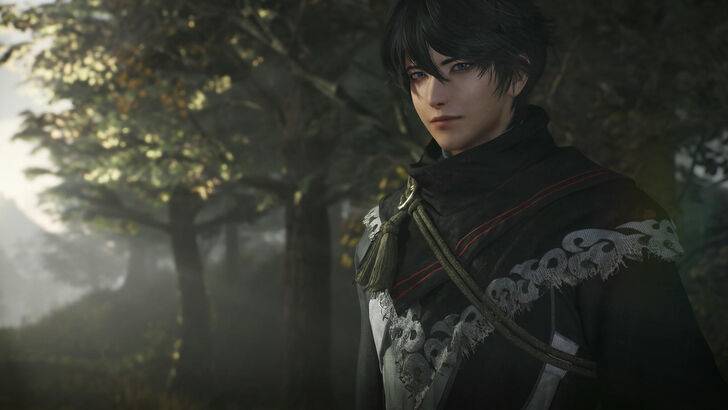
プロデューサーの翔彦氏が開発チームに向けて「プレイヤーを倒せ!」と叫んだおかげで、『ダイナスティ・ウォリアーズ:オリジンズ』ではより強力な敵軍が登場する。この作品がどのようにして古典的な戦士ゲームの形式を覆すのかを探ってみよう。
『ダイナスティ・ウォリアーズ:オリジンズ』の敵は容赦しない
デベロッパーからの警告:プレイヤーの皆様、ご注意ください
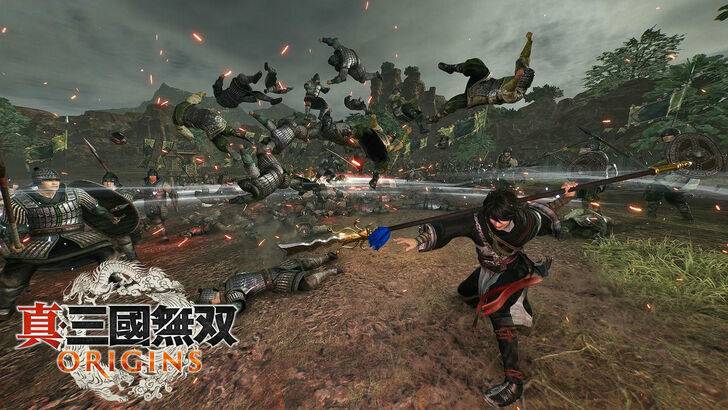
プロデューサーの翔彦氏が出した厳しい指示により、『ダイナスティ・ウォリアーズ:オリジンズ』ではさらに激しい敵との戦闘が繰り広げられる。PlayStation.Blogでのインタビューで翔彦氏は、難易度の不公平さではなく、戦場のリアルさを再現することが目的だと語った。敵も必死に戦うのだ。
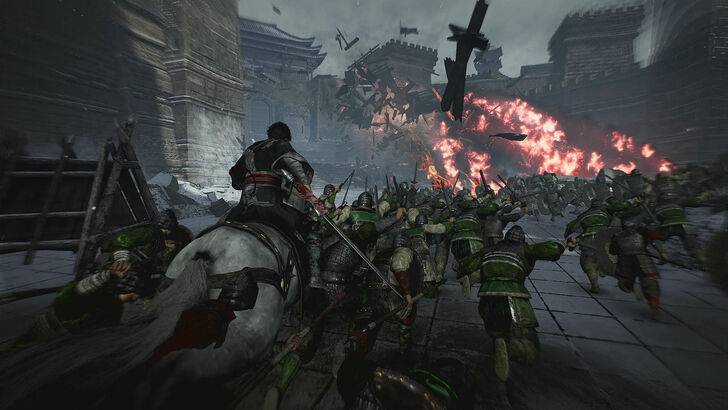
翔彦氏は、『ダイナスティ・ウォリアーズ:オリジンズ』が従来のシリーズの特徴である爽快な戦闘を維持しつつ、より洗練された戦闘システムを提供していると強調している。「どんなスキルレベルのプレイヤーでも達成感を得られるようにしたい」と彼は説明し、残酷さと満足感のバランスを巧みに取っていることを示した。
シリーズにとって新たな始まり
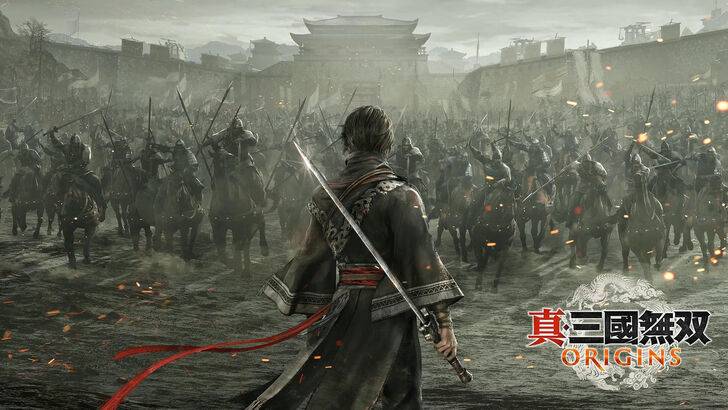
『ダイナスティ・ウォリアーズ:オリジンズ』は、従来の数字を使ったタイトル体系を捨てた初のメインストーリーゲームとなる。翔彦氏はTheGamerに対し、これは『三国志演義』の初期エピソードに焦点を当てた物語構成を反映していると述べている。その頂点が伝説的な赤壁の戦いだ。
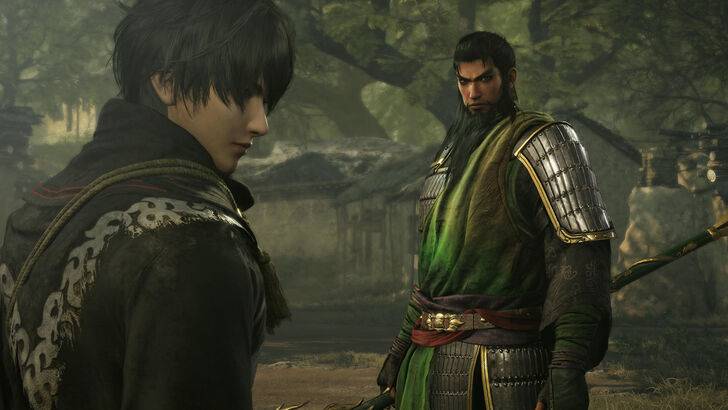
7年の時を経て、『ダイナスティ・ウォリアーズ:オリジンズ』は、名前のない新しい主人公を中心に中国の軍閥争乱を描く。Steam、PlayStation 5、Xbox Series X|Sのプレイヤーは今すぐこの刺激的な復活作を体験できる。
Game8の詳細なレビューをぜひご覧ください!
最新記事
“Seven Deadly Sins: Grand Cross” has recently introduced a new event featuring Meliodas, the legendary Demon King and leader of the Seven Deadly Sins, as part of a major update. This exciting addition brings players into a brand-new story mode that dives deep into Meliodas’ past and his complex relationship with the Demon King’s curse.
Key Features of the New Meliodas Event:
New Story Campaign: Players follow an alternate timeline where Meliodas confronts a dark version of himself, awakening ancient memories tied to his true heritage. The narrative explores his inner struggles, the burden of his power, and his unwavering loyalty to his friends.
Exclusive Meliodas (True Form) Summon: A limited-time special summon card allows players to obtain a powerful version of Meliodas with enhanced abilities and stunning new animation. This card features his Demon King form, complete with glowing red eyes and a fusion of human and demonic energy.
Event Quests & Challenges: Players complete a series of high-difficulty quests that test team composition, timing, and strategy. Rewards include rare materials, special gems, and a new legendary weapon: Sword of the Fallen King.
Battle Mode: “Meliodas’ Final Stand”: A challenging arcade-style mode where players battle through waves of enemies while managing Meliodas’ powerful but unstable transformation states. Success unlocks exclusive voice lines and artwork.
Collectible Artbook & Theme Music: All players who complete the main event receive a digital artbook featuring concept sketches of Meliodas’ new design, as well as an original soundtrack composed by the game’s music team.
The event is part of a larger seasonal celebration honoring the 10th anniversary of The Seven Deadly Sins manga and anime series. It runs from June 5 to July 10, 2024, and is available worldwide on Grand Cross mobile and PC platforms.
Whether you're a longtime fan of Meliodas or new to the world of the Seven Deadly Sins, this event promises epic battles, emotional depth, and a chance to experience the Demon King’s journey like never before.
🔥 “Even if I carry the sin of all demons… I will never abandon my friends.” – Meliodas, in a new voice line from the event.
Stay tuned for more updates, including a crossover with Fate/Grand Order rumored for later in 2024.
読む
![1xBet [Updated]](https://imgs.yx260.com/uploads/76/1719623227667f5e3be7616.jpg)