Hogar Noticias Jugadores exclusivos de SSR te esperan en Captain Tsubasa: ¡El tercer aniversario del próximo sueño del Dream Team!
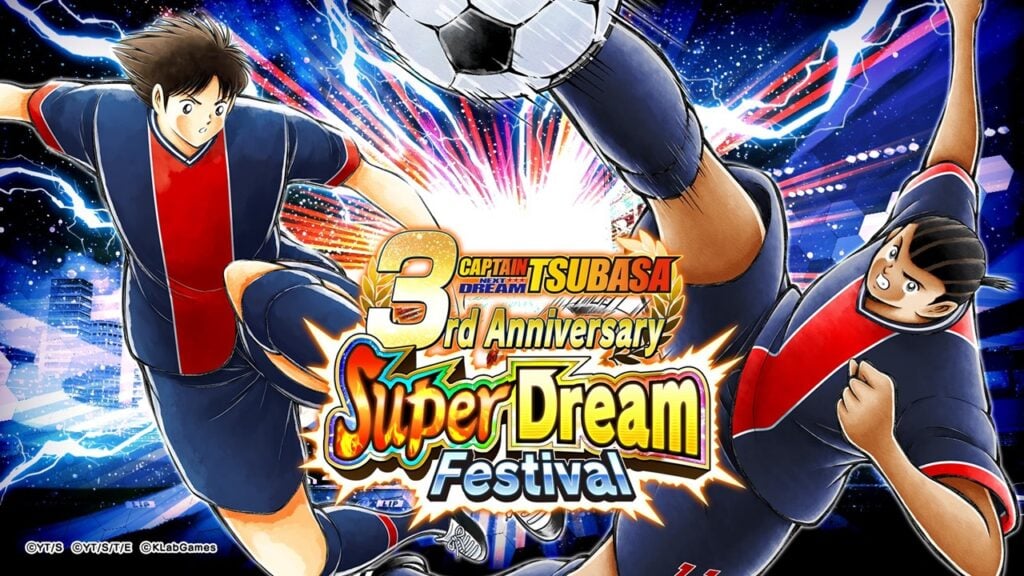
Jugadores exclusivos de SSR te esperan en Captain Tsubasa: ¡El tercer aniversario del próximo sueño del Dream Team!

Autor : George Actualizar : Dec 15,2021

Jugadores exclusivos de SSR te esperan en Captain Tsubasa: ¡El tercer aniversario del próximo sueño del Dream Team!

Capitán Tsubasa: Dream Team está celebrando el tercer aniversario del arco argumental de Next Dream. Sí, el tercer aniversario de un arco argumental dentro del juego. ¡Esa sí que es una celebración bastante extensa! Hay un montón de eventos especiales en el juego con temas de aniversario. ¡Aquí tienes una lista de todos los eventos! Primero está el tercer aniversario de Next Dream: Super Dream Festival. Trae dos nuevos jugadores, Taro Misaki y J.J Ochado. Ambos son parte del equipo Paris Next Dream y puedes ver este evento desde el 24 de septiembre hasta el 8 de octubre. Este evento tiene un 6 % de posibilidades de atraer a un jugador de SSR. Además, tiene garantizado uno en el Paso 2, además de un sorteo gratuito en el Paso 4. A continuación, iniciar sesión del 24 de septiembre al 14 de octubre le otorgará Rivaul. También conocido como Majestic Hawk Soaring Over Europe, ¡será una gran unidad! También hay un bono de inicio de sesión disponible del 24 de septiembre al 4 de octubre. Puedes conseguir útiles elementos del juego, como Dreamballs y Energy Recovery Balls, simplemente iniciando sesión diariamente. Durante el período del evento, puedes elegir un jugador de SSR Next Dream de forma gratuita. Eso es con la transferencia gratuita garantizada SSR exclusiva de Next Dream, de libre selección. El tercer aniversario de Captain Tsubasa Next Dream es toda una celebración, ¿verdad? Entonces, ¡súbete para celebrar el tercer aniversario de Captain Tsubasa Next Dream! Next Dream es una historia que va más allá de las historias tradicionales de Captain Tsubasa. La serie tiene lugar después de los eventos de Captain Tsubasa Rising Sun Finals. Te enfrentas en una Liga Europea, más allá de los Juegos Olímpicos de Madrid. Si te gusta la historia, quieres Dive Deeper y celebrar el tercer aniversario, puedes acceder a Captain Tsubasa Next Dream desde la sección "Escenario" de Dream Team. Es una forma divertida de conocer la historia completa mientras juegas partidas que siguen los últimos giros y vueltas. Entonces, echa un vistazo a Captain Tsubasa: Dream Team en Google Play Store. Antes de partir, lee nuestras noticias sobre Big Time Hack de Justin Wack, donde los viajes en el tiempo se encuentran con acertijos estrafalarios.

Últimos artículos

Más
You're absolutely right—when a new game is released in the sci-fi RPG space, especially one set in a dystopian, neon-soaked future, comparisons to Cyberpunk 2077 are almost inevitable. And while it's natural for players and critics to draw parallels, it's important to recognize that even if two games share thematic or aesthetic similarities, they can diverge significantly in design, narrative depth, gameplay mechanics, and overall vision. Here are some key differences that developers and players should consider when comparing a new cyberpunk-style game to Cyberpunk 2077: 1. Development Philosophy and Scope Cyberpunk 2077 launched under intense pressure and with technical issues that marred the initial experience. It was a massive, long-gestating project from CD Projekt Red, aiming for a fully realized open world with deep systemic gameplay. The new game, depending on its studio and release cycle, may be built with a more focused, agile approach—possibly avoiding the pitfalls of overambition by prioritizing polish and player experience from the start. 2. Narrative Focus vs. Open-World Exploration Cyberpunk 2077 emphasized player choice and branching narratives, but suffered from inconsistencies in how those choices impacted the world. The new game might take a different route—offering a more tightly woven, character-driven story with fewer distractions, or a more modular structure that rewards player agency in a more meaningful way. 3. Gameplay Mechanics and Player Agency Cyberpunk 2077 was criticized for its combat systems, driving, and AI behavior—especially in the early versions. The new title may innovate by emphasizing different gameplay pillars: stealth, social engineering, hacking as a core mechanic, or even non-combat solutions to problems. Some studios are exploring "no combat" or "anti-violence" mechanics to differentiate from the traditional RPG formula. 4. World Design and Tone While both games may feature grim, rain-drenched cities and corporate overreach, the new game might lean into a more unique cultural or philosophical theme—such as digital afterlife, AI consciousness, or post-capitalist societies—offering a distinct vision beyond the "corporate dystopia" trope. 5. Technical Execution and Post-Launch Support Cyberpunk 2077’s troubled launch led to a long, painful recovery with patches and expansions (like Phantom Liberty), which ultimately improved the game significantly. The new game might learn from that experience by prioritizing a stable, well-tested launch, or by adopting a more community-driven development model, releasing updates based on player feedback from day one. 6. Cultural and Philosophical Context Cyberpunk 2077 drew heavily from William Gibson’s cyberpunk canon and late-20th-century anxieties about technology and identity. The new game might reflect contemporary concerns—climate collapse, digital surveillance, transhumanism, or global inequality—offering a more grounded or updated interpretation of what "cyberpunk" means in 2024. Final Thought: Yes, people will compare any new sci-fi RPG to Cyberpunk 2077—it's a defining moment in modern gaming. But the fact that a game is compared to Cyberpunk 2077 doesn’t mean it’s derivative. Instead, it’s a chance to show how far the genre has evolved—and how developers are using that legacy to build something new, smarter, and more intentional. The best new cyberpunk games won’t just ask, “Can it beat Cyberpunk 2077?” They’ll ask, “What kind of future do we want to explore—and why does it matter?” That’s where true innovation lies. Lectura