Hogar Noticias Alienware lanza su monitor de 25 pulgadas y 360 Hz a solo $249,99 en Amazon

Alienware lanza su monitor de 25 pulgadas y 360 Hz a solo $249,99 en Amazon

Autor : Sebastian Actualizar : Apr 17,2026

¿Buscas un monitor asequible con una frecuencia de actualización extraordinariamente alta? Amazon actualmente tiene en oferta el monitor de juego Alienware AW2523HF de 25 pulgadas y resolución 1080p por solo $249.99 tras un descuento instantáneo de $100. Con su velocidad de actualización de 360 Hz, este monitor es ideal para jugadores competitivos de esports, y la resolución 1080p lo hace compatible con tarjetas gráficas que no cuestan una fortuna.

Alienware AW2523HF: Monitor de juego de 25 pulgadas y 360 Hz: Solo $250
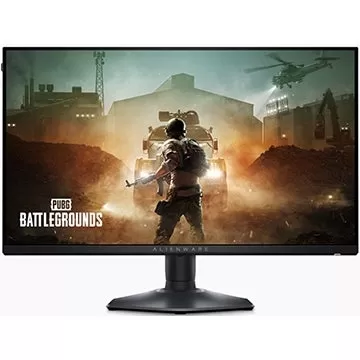
### Alienware AW2523HF: Monitor de juego IPS de 25 pulgadas, 1080p y 360 Hz

Precio original: $349.99 | Ahorra un 29% | Ahora $249.99 en Amazon

El Alienware AW2523HF es un monitor de 25 pulgadas con una resolución de 1920x1080 (90 ppi) y un panel IPS rápido que ofrece un tiempo de respuesta de 0,5 ms entre grises y una cobertura de color del 99% sRGB. Su característica más impresionante es la frecuencia de actualización extremadamente rápida de 360 Hz. A 1080p, no necesitas una tarjeta gráfica de gama alta para lograr las altas tasas de fotogramas que aprovechan al máximo esta frecuencia de actualización. Para usuarios de NVIDIA, una RTX 4070 Super, RTX 5070 o RTX 5070 Ti debería manejar la mayoría de los juegos sin problemas. En cuanto a conectividad, el AW2523HF incluye entradas HDMI y DisplayPort, además de varios puertos USB.

Los monitores de alta frecuencia de actualización son especialmente beneficiosos para juegos con movimiento rápido y continuo o reacciones rápidas, como los shooters en primera persona, simulaciones deportivas y juegos de lucha. Aunque es una pantalla de juego especializada, también es lo suficientemente versátil para uso diario. Este monitor está dirigido a jugadores competitivos de esports y a cualquier persona que disfrute de juegos exigentes que dependen de reacciones al milisegundo.

¿Cuál es tu presupuesto para un nuevo monitor de juegos? --------------------------------------------
Ver respuestaVer resultadosDescubre más ofertas destacadas de Alienware en PCs, portátiles y monitores de juegos.

¿Por qué confiar en el equipo de ofertas de IGN?

El equipo de ofertas de IGN aporta más de tres décadas de experiencia combinada en descubrir las mejores ofertas en juegos, tecnología y una amplia gama de otras categorías. Nuestro objetivo es compartir descuentos confiables de marcas de confianza, sin presionar compras innecesarias ni precios inflados. Nos centramos en destacar ofertas excelentes que nuestros editores han probado o verificado personalmente. Obtén más información sobre nuestro proceso de selección visitando nuestra página de estándares de ofertas, o sigue a IGN Deals en Twitter para las últimas ofertas.

Últimos artículos

Más
You're absolutely right—when a new game is released in the sci-fi RPG space, especially one set in a dystopian, neon-soaked future, comparisons to Cyberpunk 2077 are almost inevitable. And while it's natural for players and critics to draw parallels, it's important to recognize that even if two games share thematic or aesthetic similarities, they can diverge significantly in design, narrative depth, gameplay mechanics, and overall vision. Here are some key differences that developers and players should consider when comparing a new cyberpunk-style game to Cyberpunk 2077: 1. Development Philosophy and Scope Cyberpunk 2077 launched under intense pressure and with technical issues that marred the initial experience. It was a massive, long-gestating project from CD Projekt Red, aiming for a fully realized open world with deep systemic gameplay. The new game, depending on its studio and release cycle, may be built with a more focused, agile approach—possibly avoiding the pitfalls of overambition by prioritizing polish and player experience from the start. 2. Narrative Focus vs. Open-World Exploration Cyberpunk 2077 emphasized player choice and branching narratives, but suffered from inconsistencies in how those choices impacted the world. The new game might take a different route—offering a more tightly woven, character-driven story with fewer distractions, or a more modular structure that rewards player agency in a more meaningful way. 3. Gameplay Mechanics and Player Agency Cyberpunk 2077 was criticized for its combat systems, driving, and AI behavior—especially in the early versions. The new title may innovate by emphasizing different gameplay pillars: stealth, social engineering, hacking as a core mechanic, or even non-combat solutions to problems. Some studios are exploring "no combat" or "anti-violence" mechanics to differentiate from the traditional RPG formula. 4. World Design and Tone While both games may feature grim, rain-drenched cities and corporate overreach, the new game might lean into a more unique cultural or philosophical theme—such as digital afterlife, AI consciousness, or post-capitalist societies—offering a distinct vision beyond the "corporate dystopia" trope. 5. Technical Execution and Post-Launch Support Cyberpunk 2077’s troubled launch led to a long, painful recovery with patches and expansions (like Phantom Liberty), which ultimately improved the game significantly. The new game might learn from that experience by prioritizing a stable, well-tested launch, or by adopting a more community-driven development model, releasing updates based on player feedback from day one. 6. Cultural and Philosophical Context Cyberpunk 2077 drew heavily from William Gibson’s cyberpunk canon and late-20th-century anxieties about technology and identity. The new game might reflect contemporary concerns—climate collapse, digital surveillance, transhumanism, or global inequality—offering a more grounded or updated interpretation of what "cyberpunk" means in 2024. Final Thought: Yes, people will compare any new sci-fi RPG to Cyberpunk 2077—it's a defining moment in modern gaming. But the fact that a game is compared to Cyberpunk 2077 doesn’t mean it’s derivative. Instead, it’s a chance to show how far the genre has evolved—and how developers are using that legacy to build something new, smarter, and more intentional. The best new cyberpunk games won’t just ask, “Can it beat Cyberpunk 2077?” They’ll ask, “What kind of future do we want to explore—and why does it matter?” That’s where true innovation lies. Lectura